
BlockFi has filed for Chapter 11 Bankruptcy protection.
The immediate catalyst is FTX’s collapse. This collapse creates both a liquidity and a potential solvency problem. It also halts FTX’s prior bailout plans for BlockFi. Thus, it was inevitable that BlockFi would fold.
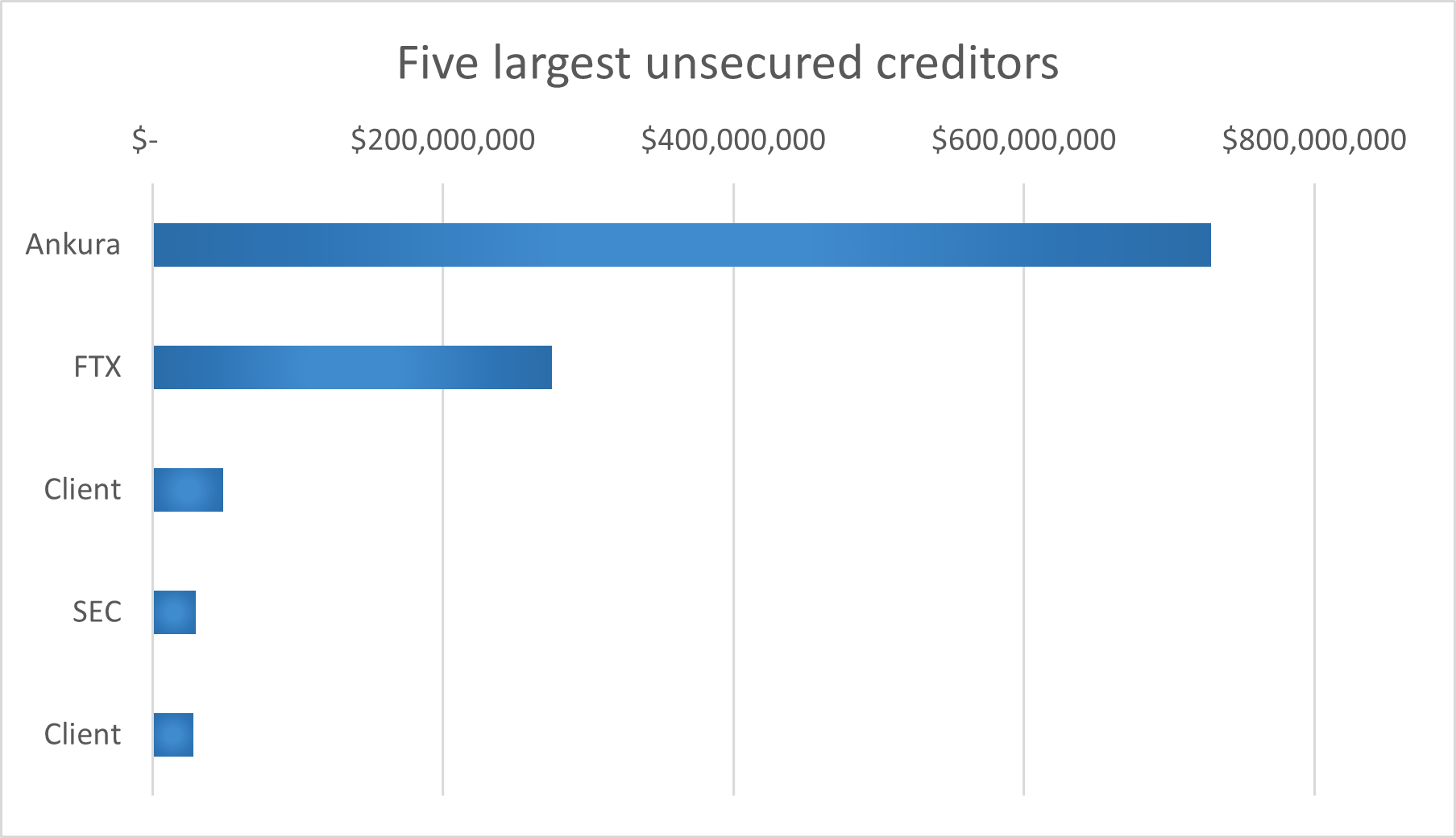
BlockFi’s creditors and investors stand to lose significant money. The bankruptcy filing indicates that they have over 100,000 creditors and liabilities are between $1 billion and $10 billion. The largest creditor is owed over $700 million. FTX is owed $275 million. The SEC is owed $30 million. More than 50 creditors are owed more than $1 million.
The problems with BlockFi preceded FTX, however. BlockFi’s business model always had flaws. BlockFi functioned much like a bank, albeit with an additional exchange. The core of the business involved encouraging people to use the platform with promised interest rates of 7%+ on USD stablecoin deposits. BlockFi would then lend the money to risky borrowers. These reportedly include Alameda. When the borrowers fail, this creates a solvency problem for BlockFi. BlockFi’s risk level was ultimately a disaster waiting to happen.
BlockFi is not as egregious as FTX. FTX has featured allegations of impropriety, lax corporate controls, and potential fraud. BlockFi has not had those allegations thus far. Rather, it featured excessive risk. This problem has plagued traditional financial institutions. However, BlockFi’s website appears to suggest that depositors’ supernormal interest rates were merely akin to bank deposits and relatively low risk. BlockFi would have been well served to be more upfront with its customers about the risks they faced. However, this is a significantly different concern from intermingling client funds, and inappropriately speculating with client assets (cf. FTX).